Project info
- Location: Arusha, Tanzania
- Year: 2025 - 2027
- Client: Mellemfolkeligt Samvirke / Action Aid Denmark
- Size: n/a
- Collaborators: Mellemfolkeligt Samvirke / Action Aid Denmark
- Financing: Mellemfolkeligt Samvirke / Action Aid Denmark
- Project team: Architects Rebecka Blomqvist (team lead + common areas lead), Lennart Dose (renovation lead), Aleksandra Arent (landscape lead), Sara Vujnovic, (sustainability lead). Andre team medlemmer: Siyin Luo
- Contact: Rebecka Blomqvist: [email protected]
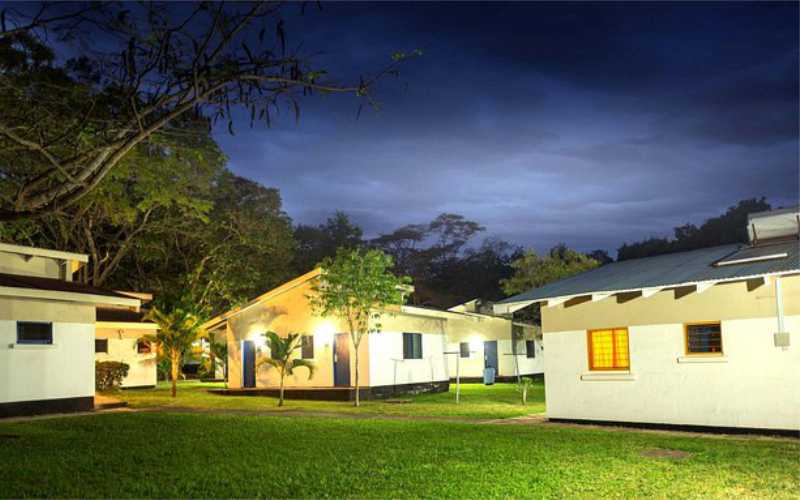
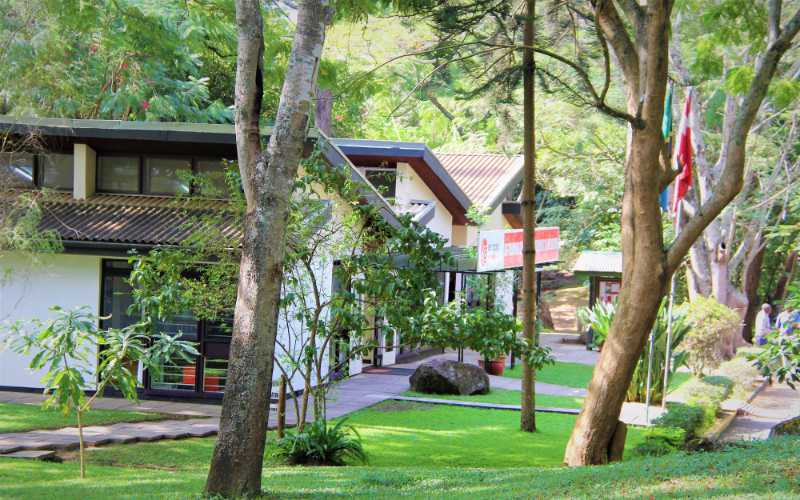
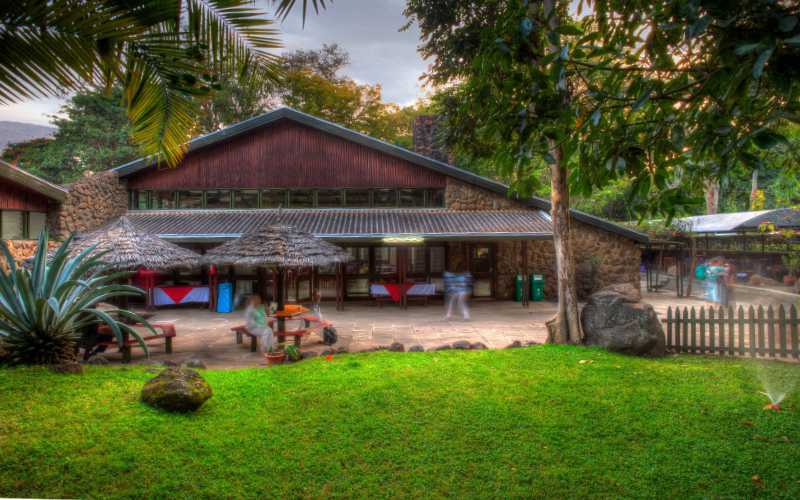
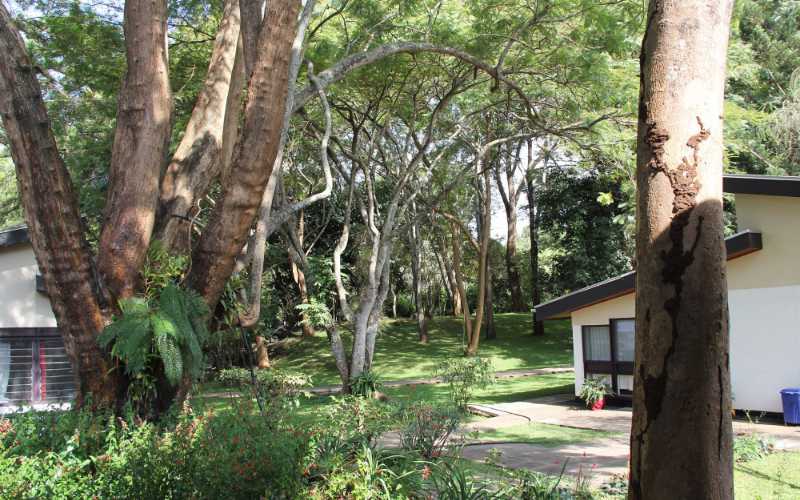
In this project, Architects Without Borders collaborates with Mellemfolkeligt Samvirke on the development of the campus of the MS Training Center for Development Cooperation (MS TCDC) in Arusha, Tanzania.
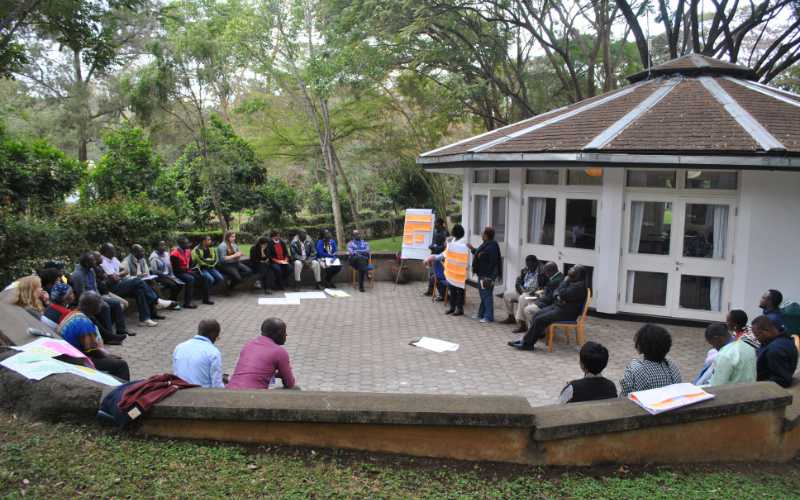
MS TCDC is a renowned training center that has been training people in leadership, democracy, human rights and climate change since 1967 and today serves as an important hub for education and civil society in East Africa.
The project aims to strengthen the physical environment and social functions of the campus through architectural solutions that increase capacity, improve indoor climate and create a clear framework for community, knowledge sharing and collaboration between students, teachers and the local community.
The project includes the renovation of existing buildings and landscape with a focus on reducing future resource consumption, the construction of a new community center for larger gatherings, and the development of concrete strategies for energy, water and waste management so that the campus supports a more sustainable everyday life and demonstrates circular solutions in practice for visitors to the site.
Our main project, the Common House, will be the center for both large conferences and daily use. The architecture is based on the scale of the college and existing buildings, while the materials draw on Tanzania’s local building traditions of earth and wood. As a pilot project for better building methods in the area, the Common House demonstrates how compressed earth blocks and certified wood can create healthy and stable indoor environments and reduce the need for energy-intensive materials.
The landscape is designed to handle heavy rainfall, relieve the existing drainage system and reduce damage to buildings. The outdoor areas are also used as learning spaces, where both technical solutions and the site’s resource cycle are visible and accessible for teaching and users.
Development goals:
- To increase MS TCDC’s capacity and improve the physical environment for learning, living and community.
- To strengthen the college as an inclusive meeting place for education, civil society and knowledge sharing in East Africa.
- To reduce resource consumption and operating costs through renovation, use of local materials, and simple and robust technical solutions adapted to climate, location and local skills.
- To integrate energy, water and waste systems into the campus environment so that they function both in daily operations and as concrete teaching and demonstration tools.
- To share knowledge about the use of circular approaches and building methods to educate and inspire visitors and the local community in the green transition.